Photo by Heather Wilde on Unsplash
For years, my only exposure to the Psalms was either a funeral service or a crooked oil painting above my grandma’s toilet. Maybe your grandma was a little different from mine, but my guess is that you have had a similar relationship to the Psalms. They have been reduced to stickers on your water bottle, engravings on journals, or bios on your social media. Now listen, none of these are bad things, they’re just not deep things.
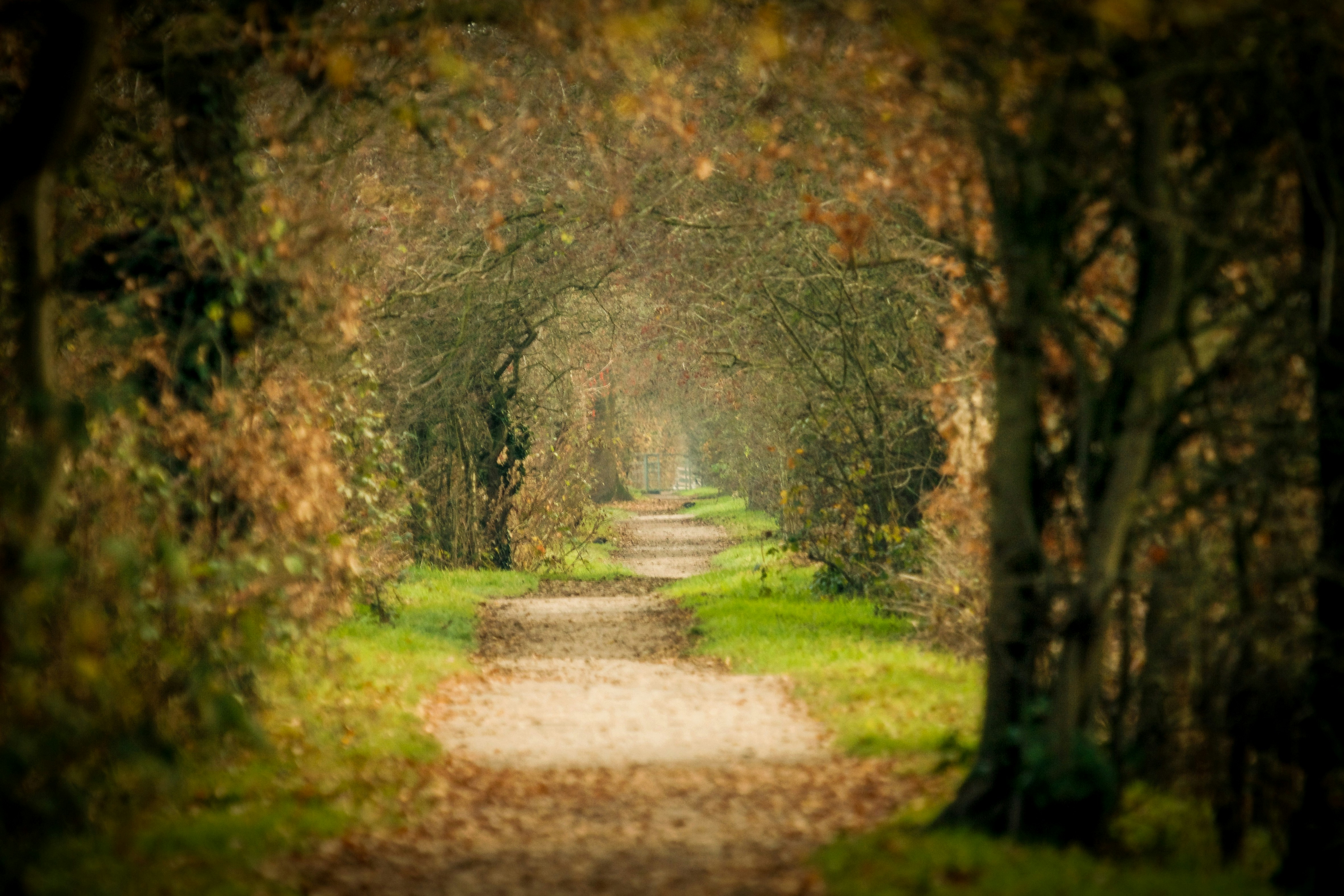
When the Psalms open up, it begins with the description of the Two Ways of Living: the righteous way and the wicked way (Psalm 1). The wicked way is described as a rootless, lifeless husk that is tossed around by the wind and bound for ruin (1:4-6). The righteous way, on the other hand, is described as a deeply rooted tree planted by streams of water. As it drinks, its “leaf does not wither”, it will “yield fruit in its season” and in all that does, it will “prosper” (1:3). Surely you see which of these two ways is deeper.
“Blessed is the man who…delight is in the law of the Lord, and on his law he meditates day and night.
”The righteous way of living is not just a pretty image or a cute thing to say to someone, it is a path to walk on. Notice the two thoughts in this instruction: the path we walk on and the steps we take. The path is clearly marked: daily and ongoing meditation on God’s Word; the steps we take are fueled by one thing: delight. As we dive into God’s Word on a regular basis, our souls are satisfied for in them we find the words of life. The blessed and righteous way of living is a delight-filled and regularly-attended pursuit of God in His Word.
From the jump, the Psalms are imploring believers to be a deep people. And this is important because the Psalms are considered Wisdom Literature - they have one overarching goal in mind: to make you wise. That is, to make you deeper.
If you have any familiarity with the Psalms, then you know that it is filled with prayers, praises, and pleas from needy humans to an Almighty God. I’ll go so far as to say that the Psalms might be one of the most authentically human books in the Bible as it aims to help you and me faithfully wrestle with what it means to live a dependent life with God amidst a broken world. There are Psalms of darkness and lament, hope and praise, trust and love, fear and longing, each of them showing how image-bearers ought to reconcile their human emotions with their holy God.
The Psalms are proof that God cares about our whole life, but more specifically, that He cares that we deal rightly with our emotions. Namely, that before we let an emotion dictate our moods, influence our words, convince our minds, or rule our lives we, first, turn to God and root our emotion in His character and nature.
For the next 10 weeks, the Men, Women, and Students of Mosaic will be actively engaged in a study of the Book of Psalms and we think it would be a good thing for you to consider participating in this Fall. Registration closes on Sunday, so don’t wait.
If you really want to learn how to live life as a faithful human being, if you really want to become wise, then you need the Psalms.
For His Glory and our good.


